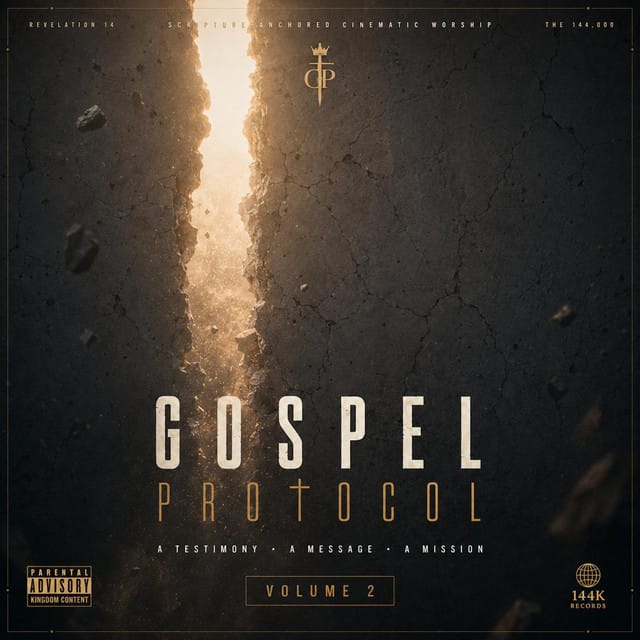
You hear that tone, and you are already preparing the answer that will hurt. The wound behind your anger may be real. So is your responsibility for what you say next. Between the Echoes brings this moment before Jesus. His grace does more than calm a reaction: He forgives sinners and teaches His people to put away the malice they once defended.
A reflection alongside Between the Echoes from Volume 2.
Name the wound without excusing the sin
Old pain can make a new situation feel immediately dangerous. A trauma response or a feeling of anger is not, by itself, a deliberate act of sin. You can acknowledge what happened to you and seek care without accepting blame for another person’s wrongdoing.
But choosing to humiliate, threaten, lie, or retaliate is a matter of obedience to God. Our history can help explain a reaction without making cruelty right. Confess the part that is yours instead of making the other person’s failure your permission.
Read the command from the cross
Ephesians 4 addresses people who have learned Christ and received new life in Him. Paul tells them to put away falsehood, corrupt speech, bitterness, and malice. He grounds their forgiveness of one another in God’s forgiveness of them through Christ. The Holy Spirit who seals them is also grieved by their sin.
Earlier, Ephesians 2 makes clear that these believers were saved by grace through faith, not by works. Gentleness and forgiveness do not purchase acceptance with God. They belong to the new life His mercy creates. Jesus died for our sins and rose again; His people cannot treat the sin He came to save them from as a permanent right.
Forgiveness also leaves room for wise boundaries. If someone is threatening or harming you, seeking safety and support is a faithful response. You are not required to remain exposed to harm to prove a gentle spirit. Christ’s mercy teaches us to honor the dignity of others and our own dignity before Him.
Obey before the feeling is settled
“I am not my wound” needs its foundation in Christ. If you belong to Him, your past does not give you a different standard of obedience. Ask His Spirit to help you set aside the reply meant to punish. Take a safe pause, seek counsel, and return to the truth without using it as a weapon.
Forgiveness does not require pretending evil was good, stopping appropriate reporting, or restoring trust without evidence of change. It does call you away from personal vengeance. You may still need time and support as you learn to leave judgment with God and act without malice.
A prayer to carry
Lord Jesus, You know the harm done to me and the sin I have chosen in response. I trust Your saving work. Forgive my malice and teach me to forgive as one who has received mercy. By Your Spirit, help me speak truth, refuse revenge, and seek safety and wise care where they are needed. Amen.
Read the Scripture. Hear the song.
Read these passages in their full context, then return to the music.
- Ephesians 4:26–32 · Amplified Bible ↗
- Ephesians 4:17–32 · Amplified Bible ↗
- Ephesians 2:1–10 · Amplified Bible ↗
- Romans 12:17–21 · Amplified Bible ↗