Begin in the Word
Read the passages in context.
These notes are a reading companion. Open the passages, test the notes against Scripture, and bring your questions into the light.
More than a teacher
John opens his Gospel before the beginning of Jesus’ earthly life. The Word was with God and was God; the Word became flesh and lived among us. Christians confess Jesus as fully God and fully human. His humanity is real, and His authority does not come from popularity or the approval of a crowd.
The Gospels show Him teaching, healing, forgiving sins, welcoming those who come to Him, and calling people to repent. His kindness and His claim upon our lives belong together. We cannot keep only the parts of Jesus that affirm what we already want.
The crucified and risen Lord
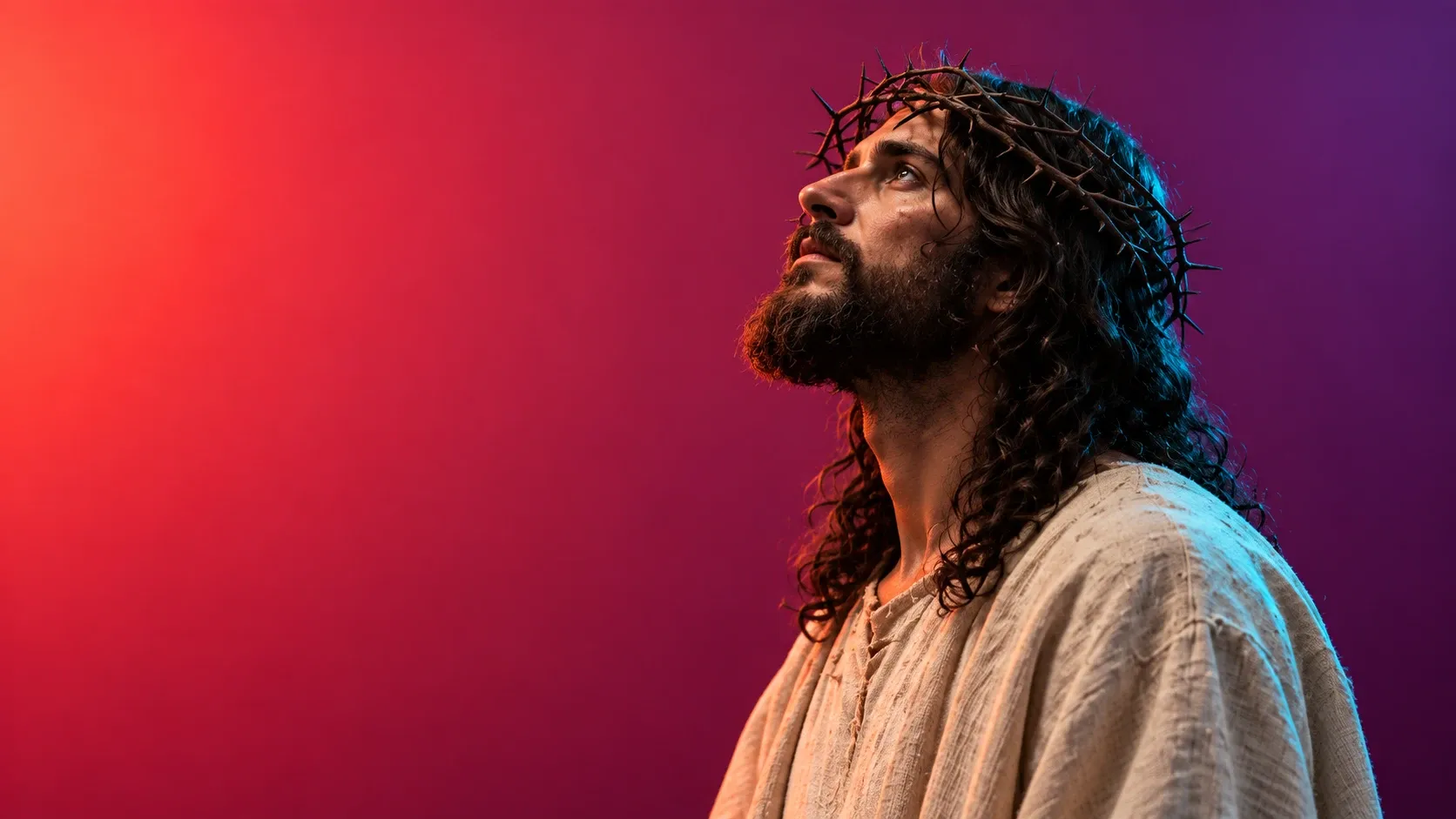
Jesus was crucified, buried, and raised from the dead. The resurrection is central to the apostles’ message. It is why Christian faith rests in a living Savior rather than the memory of an inspiring life.
John says his account was written so that readers may believe Jesus is the Christ, the Son of God, and have life in His name. As you read, ask what Jesus says about Himself, what He does, and what response He calls for.
Make room to respond
Consider this.
Which claim Jesus makes about Himself do you need to examine more carefully in the Gospel of John?
One faithful step
Read John 1:1–18 slowly. Write down what the passage says about Jesus before writing what you feel about it.